
rodmaku Finance and Investment
How Reading Cultures Build Stronger Nations
In our work at Rodmaku, we constantly confront a fundamental truth: the way a society consumes information shapes the pace and quality of its development. Across much of the developing world – Uganda included – knowledge is absorbed mainly through hearing: sermons, speeches, radio talk shows, social conversations, and secondhand narratives. This oral culture creates speed, noise, and emotion, but often at the expense of depth, contemplation, and critical understanding.
By contrast, the world’s most advanced societies built their progress on a different habit – reading, reflection, and thoughtful engagement with ideas. Literacy-driven cultures produce citizens who analyse, question, and build. Oral cultures produce citizens who react, follow, and repeat.
This analysis draws from development economics, cognitive science, and comparative social patterns to illustrate this distinction clearly. It is not a critique of our people; it is a sober reflection on the systems that shape how we think. If Uganda and similar societies are to unlock real innovation, institutional strength, and economic transformation, we must shift from consuming information through the ear to developing ideas through the mind.
This is the foundation of Rodmaku’s work: moving our communities from instinct to insight, from reaction to reflection, and from inherited habits to intentional progress.


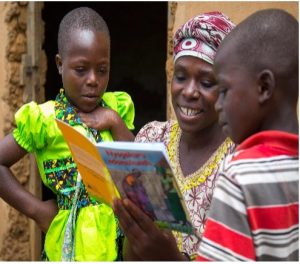
1. Cognitive Depth and Thinking Patterns
A. Hearing-Based Societies (Oral Culture)
- Information is consumed quickly, passively, and often emotionally.
- Learning is episodic, not cumulative.
- Ideas are transmitted through stories, slogans, songs, radio talk, and hearsay.
- Critical thinking is limited because the mind rarely slows down to analyse, question, or reconstruct information.
- Knowledge retention is low, and people rely heavily on memory, which is easily distorted.
B. Reading-Based, Contemplative Societies (Literacy Culture)
- Reading forces the brain to decode, interpret, analyse, and internalize.
- Ideas build on each other – knowledge becomes layered and systematic.
- Contemplation creates independent thinkers rather than passive consumers.
- Reading trains the mind in abstraction, logic, planning, and long-term reasoning – the foundations of innovation.
Result:
Reading societies produce problem-solvers.
Hearing societies produce followers.


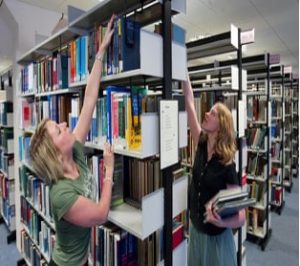
2. Institutional Development
A. Hearing Societies
- Policies are understood through rumor, political speech, and rhetoric, not detailed documents.
- Citizens rarely read budgets, policy papers, constitutions, contracts – leading to weak accountability.
- Leaders rely on charisma, slogans, and emotional mobilization.
B. Reading Societies
- Citizens can engage with policy texts, legal documents, research, and reports.
- Institutions become stronger because people can understand, challenge, and improve ideas.
- Leaders must justify decisions with evidence, not vibes.
Result:
Reading cultures build stronger institutions because citizens understand complexity.
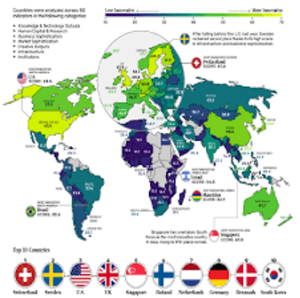


3. Innovation & Economic Growth
A. Hearing Societies
- Innovation is slow because oral learning does not support:
- scientific reading
- technical manuals
- research papers
- financial statements
- strategic documents
- Development depends on external experts, not local thinkers.
B. Reading Societies
- Innovation thrives because reading opens access to:
- global knowledge
- technical skills
- scientific thinking
- engineering and design
- People learn to plan long-term and solve complex problems.
Result:
Reading + contemplation = technology, science, innovation, and wealth creation.

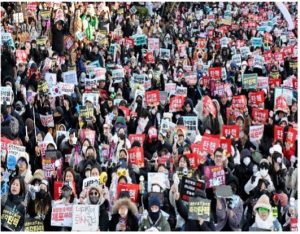

4. Politics, Manipulation & Social Stability
A. Hearing Societies
- Easily influenced by propaganda, radio talk shows, or religious rhetoric.
- Politics becomes performative – based on emotion, tribe, loyalty, and slogans.
- Leaders manipulate ignorance.
- Social conflicts escalate quickly because people react faster than they reflect.
B. Reading Societies
- Citizens cross-check information.
- Propaganda has less influence because people read multiple sources.
- Politics becomes more about policy, not personality.
- Leaders face higher scrutiny.
Result:
Reading societies develop political maturity; hearing societies remain vulnerable to manipulation.


5. Personal Advancement & Wealth Creation
A. Hearing Societies
- Knowledge is shallow → careers are shallow.
- People excel in execution, not strategy.
- Low reading leads to limited financial literacy – people avoid complex:
- investments
- contracts
- entrepreneurship
- legal processes
B. Reading Societies
- Individuals gain analytical skills, creativity, and professional specialization.
- Wealth grows because people understand:
- finance
- technology
- policy
- science
- global trends
- Reading creates self-taught entrepreneurs, strategists, and innovators.
Result:
Reading society → skilled workforce → higher incomes → stronger middle class.
6. Social Outcomes in Summary
Hearing-Dominant Societies (e.g., much of Uganda)
- High religiosity, low scientific literacy
- High emotions, low reasoning
- High political manipulation
- Low innovation
- High unemployment
- Low institutional trust
- Cultural conformity over creativity
- Short-term thinking dominates
Reading-Conscious Societies (e.g., East Asia, Scandinavia, Western Europe)
- High innovation and technology
- Strong institutions
- Advanced economies
- Critical and independent thinkers
- High savings and investment culture
- Strong knowledge-based industries
- Long-term planning
- Social stability and trust
Final Insight
As I reflect on these insights, one lesson stands out clearly: societies grow where the mind is trained to slow down. Reading forces us to think, question, analyse, and build. Hearing alone keeps people reactive, emotional, and easily misled. Uganda’s challenge has never been a lack of intelligence – it is the absence of a culture that rewards reading, reflection, and informed debate.
Real development begins the moment a society shifts from simply hearing information to genuinely understanding it. That shift creates critical thinkers, responsible citizens, stronger institutions, and a more innovative economy.
At Rodmaku, this belief guides everything we build. We are committed to nurturing a mindset revolution, one that moves our people from reaction to reflection, from noise to knowledge, and from passive consumption to intentional progress. Because a nation that reads, reasons, and reflects is a nation that rises.
Ronald Damulira Makumbi
Founder & CEO
www.rodmaku.com
info@rodmaku.com
About the Author
Ronald Damulira Makumbi is the Founder and CEO of Rodmaku, a finance and investment strategist with an MBA in Investment & Finance and leadership training from Harvard Business School. He specializes in fund structuring, inclusive finance, and rural wealth creation. Raised in a humble farming community, Ronald is committed to transforming how Ugandans think about money, knowledge, and development. His work focuses on building systems that promote reading, reflection, disciplined investment, and long-term prosperity across emerging economies.
“Reflection Creates Wealth and Oral Cultures Remain Vulnerable”